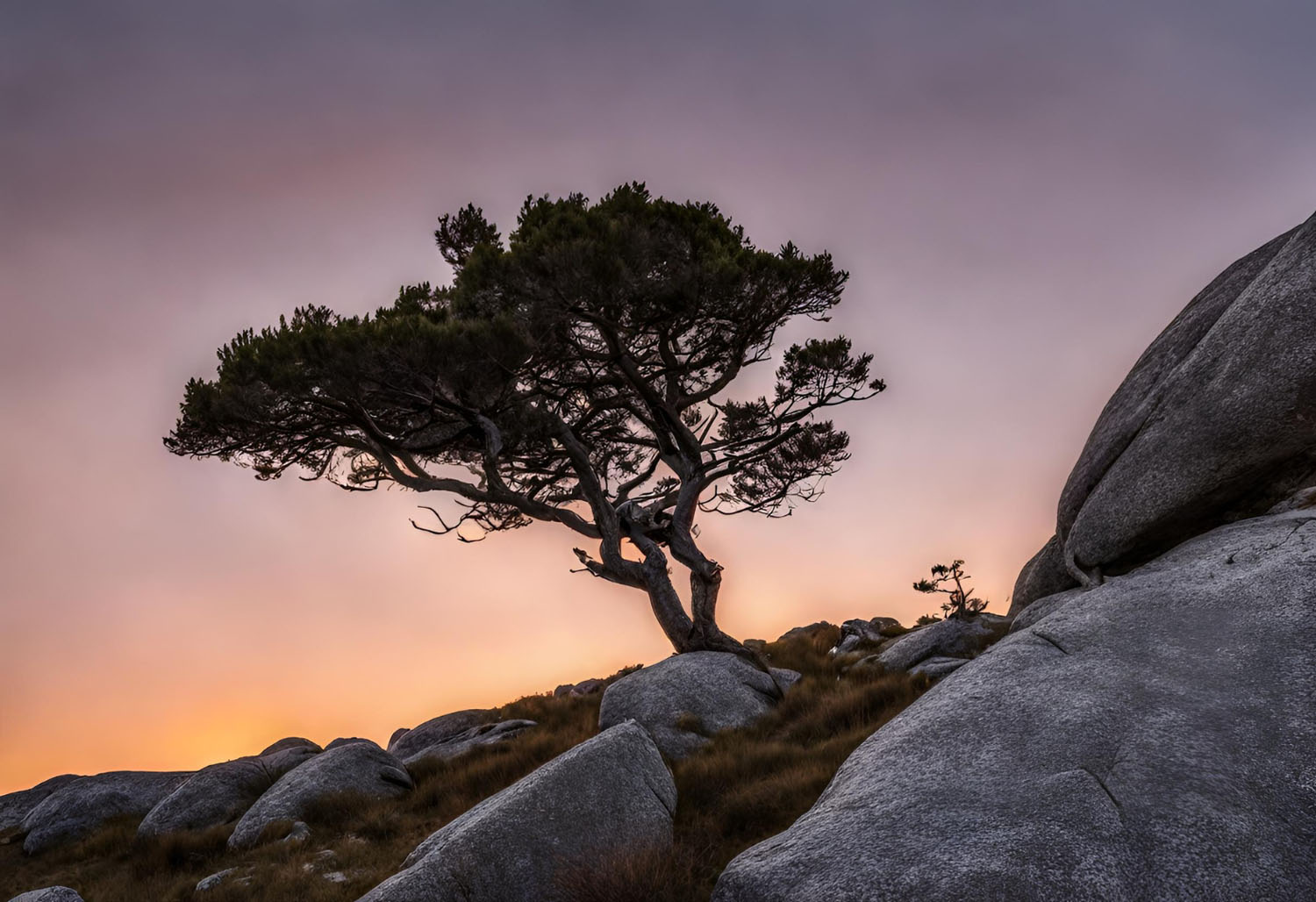

Premium/ Easy steps for the Orton effect in your landscapes images
In 1980, Michael Orton developed one of the most popular post-processing techniques widely used by many landscape photographers today. Although the technique has evolved since it first appeared, the basic concept remains the same: applying a dreamy glow to an image.
Michael Orton’s initial idea was to imitate watercolour paintings. As we are talking about before the emergence of the digital age, the technique was done by sandwiching two or three transparencies of the same composition, with one of the slides in focus and underexposed and the second and/or third one out of focus and overexposed.
Today, the effect is easily done in programs like Photoshop, and there are several techniques to achieve the same result. Depending on the photo, the effect may be more or less visible, but almost all will positively impact those who see it.
Below are some example photos, as well as a step-by-step tutorial so you can practice with your images. It’s a quick process, so it won’t take you more than a minute or two to do, so you don’t spend too much time on the computer.
CONTINUE READING…
Only for Premium Subscribers!
To access these articles you must be a PREMIUM subscriber to Olympus Passion.
SUBSCRIBE NOW and get instant access to all Premium articles, all prior and upcoming magazines, all special editions, all previous videos, discounts and offers. If you are seeking relevant information about this camera system, or useful tips from photographers using the Olympus system, this is the most valuable place for you.
BASIC Plan subscriber? Upgrade to PREMIUM!
- Access your account HERE and sign in with your email address and password as always
- In this step click the ‘Subscriptions’ tab and then ‘Change plan’
- Now you can change from the BASIC plan to the new PREMIUM PLAN
- Finally, the system will only apply a proportional value to the remaining charge and change the plan immediately.
Already a Premium Subscriber?