Premium/ Field Notes: Sigma 56mm f1.4 DC DN Contemporary for MFT
Alright, here goes: Olympus? Micro four thirds? But there’s no bokeh, blah blah. Some people cannot do math nor compose that’s for sure. But I didn’t even start and already digressed.

MFT is new for me, 2 years ago I was still shooting my APS-C Nikon D7000. Relic. But good, fun, classic DSLR. The only full-frame camera I’ve used and owned was my dad’s Zenit-E with the classic Helios 44-2 58mm f2 lens. Yeah, film days, and yes, it still works, and also yes, I did use the Helios adapted on my digital cameras across the years.
I’m not a fanboy, and yes bigger is better and full-frame will always be better when it comes to dynamic range, ISO performance, bokeh and so on, but at what cost?


So, switched to Micro Fourth Thirds due to weight, size, and cost. Started with the classic E-M10 MkII and quickly upgraded this year to an E-M5 MkIII. Weather sealed, PDAF, I’m sure you know the drill.
I have a small selection of lenses, nothing fancy, except 1, the 12-40mm f2.8 Pro. Lovely lens. A Panasonic 100-300mm, a Panny 25mm f1.7, a cheap fisheye from 7artisans, the 7.5mm f2.8 and obviously the 45mm f1.8 completes my hobbyist collection. The last one is important in the context because it’s from what I upgraded to the Sigma 56mm f1.4.
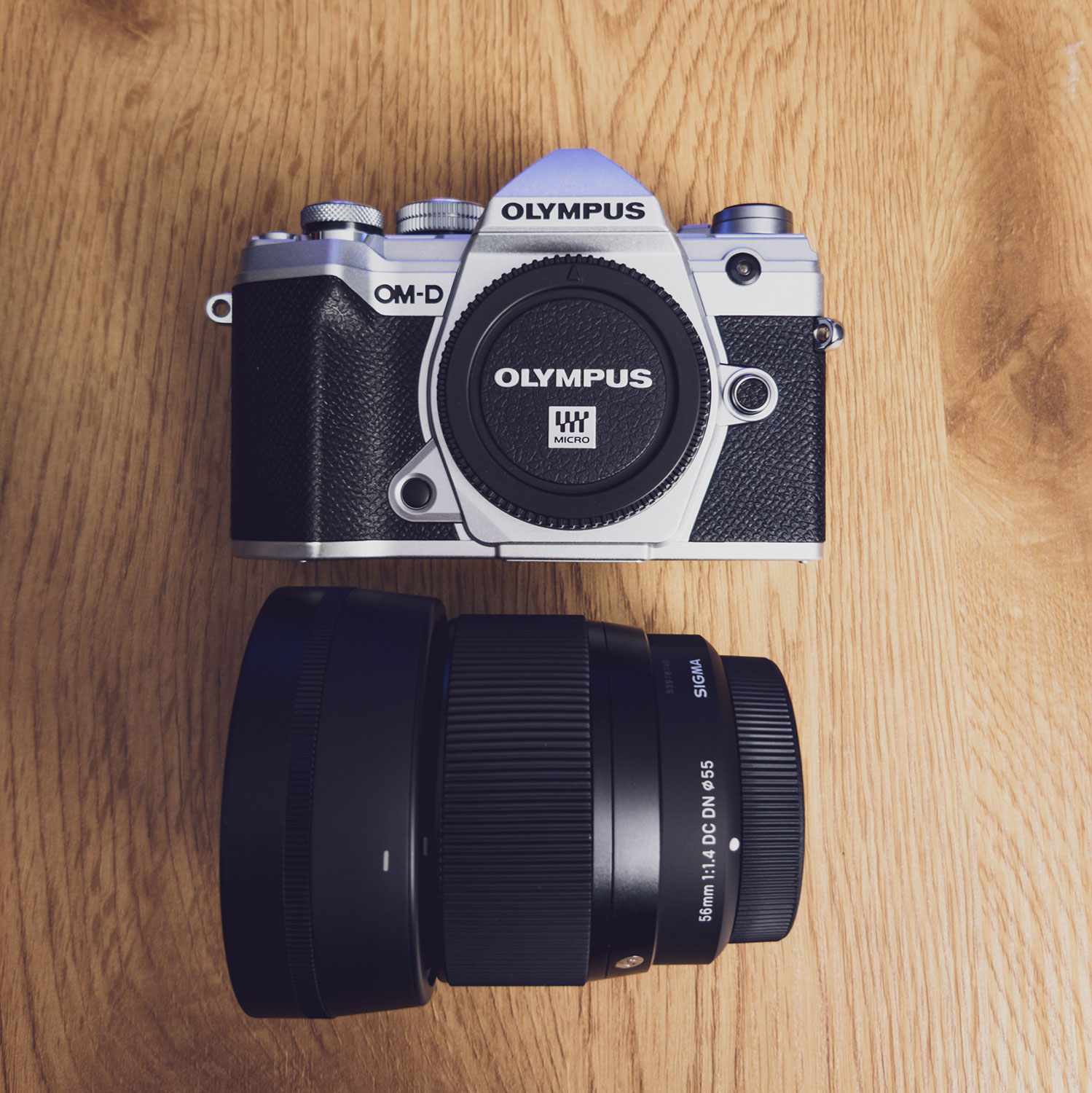
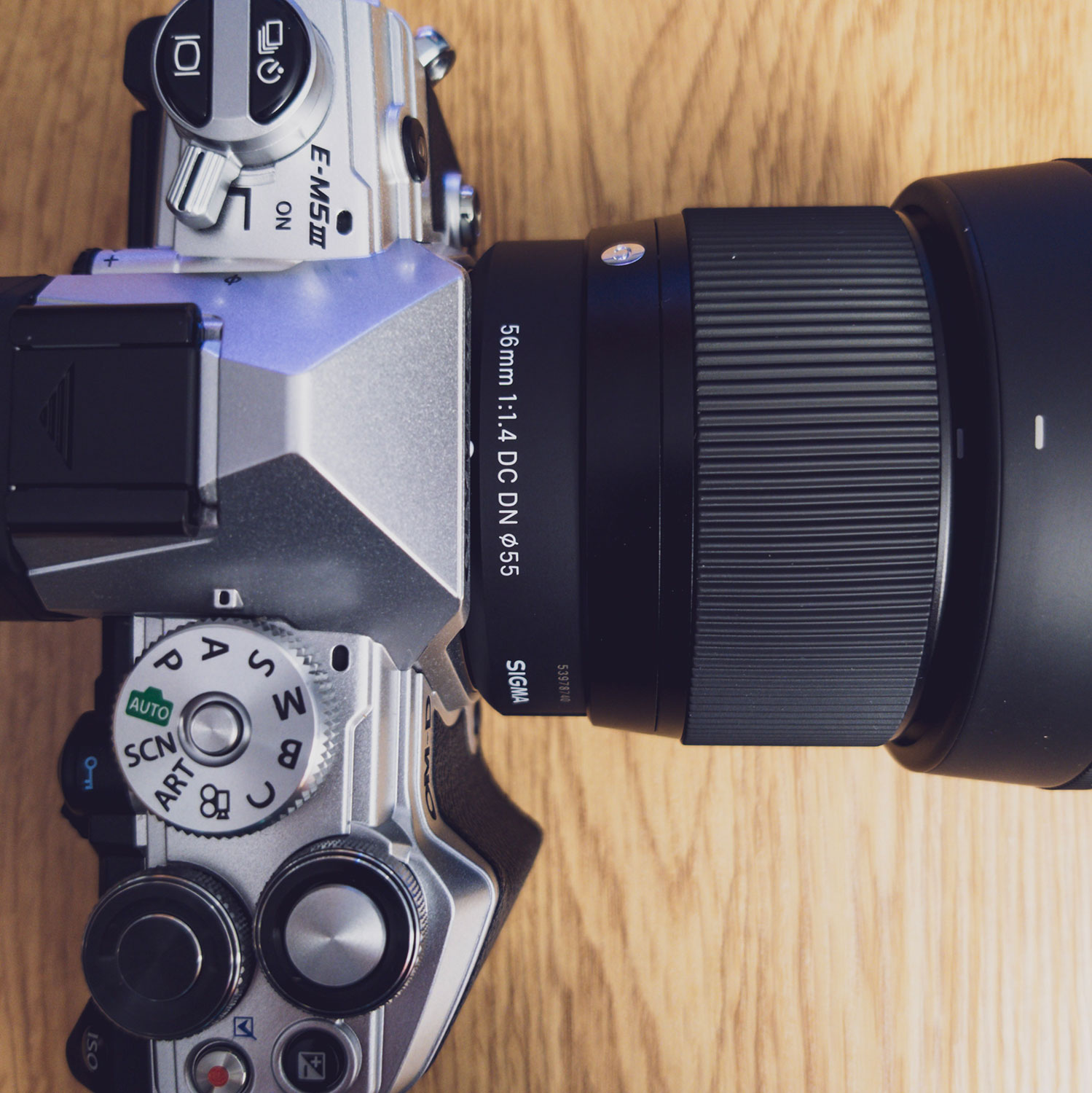
And I know some of you will ask why have I “upgraded”? It’s a weird focal length, it’s bigger, it’s bulkier, the 1/3rd of the stop is not a big deal and so on. Well, you’d be right on two aspects, weight and size but let’s be real, 380 grams is not that heavy. It pairs really nice with the E-M5 III and the feel in the hand is balanced even without my 3rd party grip. The 1/3rd of a stop is actually 66% more light that hits the sensor, and I’d say it’s pretty big. It helps with low light and also renders a nice background blur, or bokeh in photography jargon.

CONTINUE READING…
Only for Premium Subscribers!
To access these articles you must be a PREMIUM subscriber to Olympus Passion.
SUBSCRIBE NOW and get instant access to all Premium articles, all prior and upcoming magazines, all special editions, all previous videos, discounts and offers. If you are seeking relevant information about this camera system, or useful tips from photographers using the Olympus system, this is the most valuable place for you.
BASIC Plan subscriber? Upgrade to PREMIUM!
- Access your account HERE and sign in with your email address and password as always
- In this step click the ‘Subscriptions’ tab and then ‘Change plan’
- Now you can change from the BASIC plan to the new PREMIUM PLAN
- Finally, the system will only apply a proportional value to the remaining charge and change the plan immediately.
Already a Premium Subscriber?