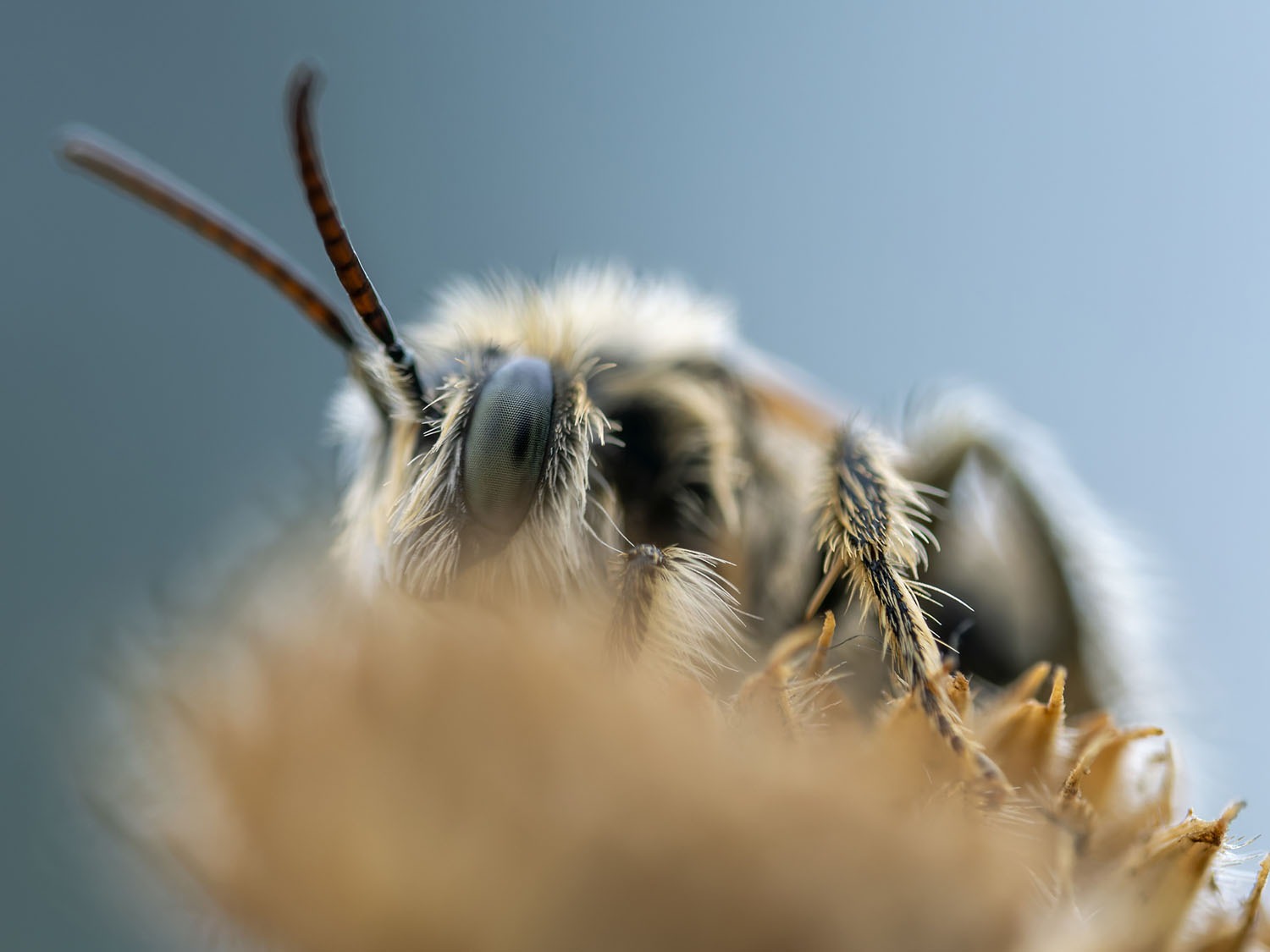
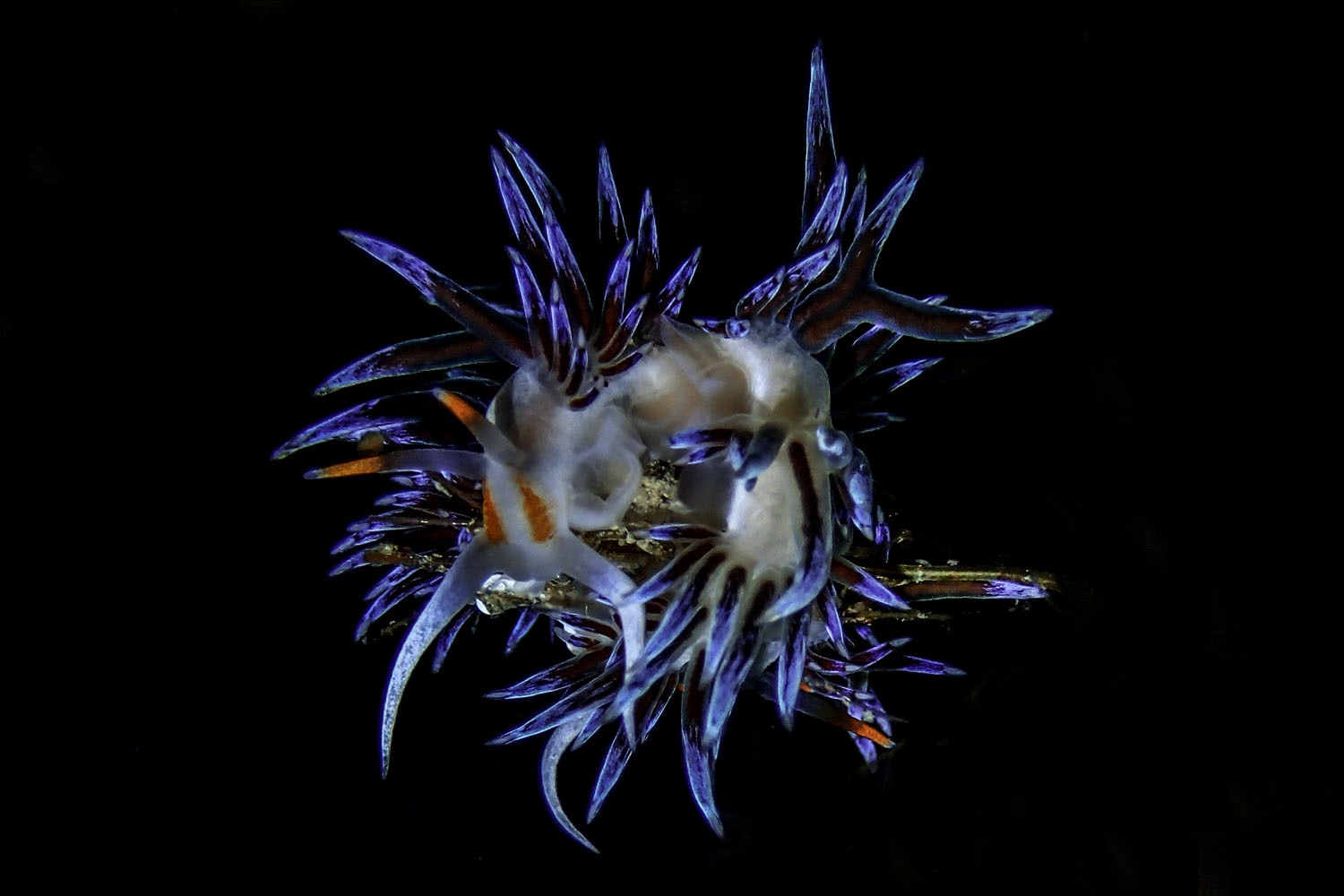
The unexpected shot
Introduce yourself and tell us how photography came into your life. Where did the journey begin?
My own gear journeys starts on holiday with the family, and Dad letting me use the Kodak 126 Instamatic and then having a slide show when we got back. Later at high school, the boys did darkroom and photography whilst the girls did P.E. Leaving school, my first job was at Camera House in the local mall where my first tasks were sorting out the film cupboard and then opening a brand new box and putting a Ricoh 500G on display. I still remember the smell of that brand new camera when it was unwrapped. From there on in, it was a whose who of camera gear. We stocked second hand in town, so we traded gear, and I got to play and use a whole raft of equipment. When I turned 50, my wife bought me a mirrorless OM-D E-M5 Mk1 and that’s when my photographic journey totally changed. From film straight to mirrorless.
How would you describe your photographic style today, and how has it changed over the years?
I shoot landscapes, nature and old pioneering relics and buildings in the district. I left the camera trade in my late 20s and really just shot my family photos for many years. We moved down to the south island of New Zealand in 2004, and I started shooting digital in 2013. It totally changed the way I thought of and took photos. It was like having 5 film cameras around your neck at once. I am a “see it, shoot it” type of guy. I always carry my camera and love getting that totally unexpected shot. Things you see once and never again. I also love to add a little drama into my work, really trying to capture the mood of the scene as much as the image.


RIGHT: Olympus E-M5 . Olympus M.Zuiko 12-50mmF3.5-6.3 @46mm . F/6.0 . 1/250″ . ISO 250 – Arrowtown Old gold store winter
Which photographers have shaped the way you see, and what exactly did you take from them?
For me, it came from everywhere and still does today. Street, portrait, glamour, macro, wildlife, landscape, photojournalism, I take it all in. From Daguerreotype to the Hassy on the moon, all the history.
Greats like Cartier-Bresson, Ansel Adams, Robert Capa, Dorothy Lange, Vivian Maier, Max DuPain, the list goes on to more contemporary shooters, And then there’s the not so famous, mates who would shoot in their spare time, others who struggled to make a living at it, all sorts.
NZ photographers: the Burton brothers, Marti Freidlander, Brian Brake, and a whole host more.
As a youngster, I managed the His Majesty’s Arcade Camera house. Up on the second floor was the iconic Real Pictures gallery and lab. This was where I got to experience alternative photographers’ work, a very cool space indeed. A big thumbs up to Ian McDonald and company.

If someone could see only one of your photographs, which would you choose to represent your work — and why that one?
It would be “Arrowtown Spring snow”. I work the markets on the weekends with my photo stall. That one photo seems to have a universal appeal. It is by far and away my biggest selling picture and has paid my rent for quite a few years. Most unusually, it had snowed heavily throughout the night for this time of the year, being late spring. The snow was wet and heavy and the trees were in blossom. I walked down to the main street whilst the streetlights were still on. There were no cars parked in the street, and nobody was about. I set up my gear and took the shot. Just as I was about to take another shot, the streetlights went out. Just in time. A moment in time never to be repeated, taken on the fly. Love it

Which area of photography best describes your work?
Landscape Photography.
What first drew you to landscape photography, and what keeps pulling you back out into the field?
If you have been to the South Island in New Zealand, you would understand how you can be continually inspired by the natural beauty of the area, From Alpine scenes, lakes, stunning pastoral scenes and the wild central Otago “moonscapes” all within 2 hours drive. Arrowtown is in the heart of the district, and has a climate with seasons, so there are many opportunities to shoot the same scene at different times of the year.
How much planning goes into one of your trips, and where do you deliberately leave room for chance?
My photo trips are generally local, and it will be a short drive, or bike ride and then a walk with the camera. I try not to drive great distances for that “shot”. I like to keep a small carbon footprint. However, whenever I have to travel for any reason, I always take my camera. Always be prepared for the unexpected!

When you arrive at a location, what do you look for before making your first photograph?
I usually stop and rush. However, I have learned that when you see a shot, stop and turn 360 degrees, it’s amazing what you can miss when you are entirely focused on that one photo. I also try to feel the scene and always, always stop and look and remember. Remember the colour.
Which kind of light do you find yourself chasing, and why does it move you?
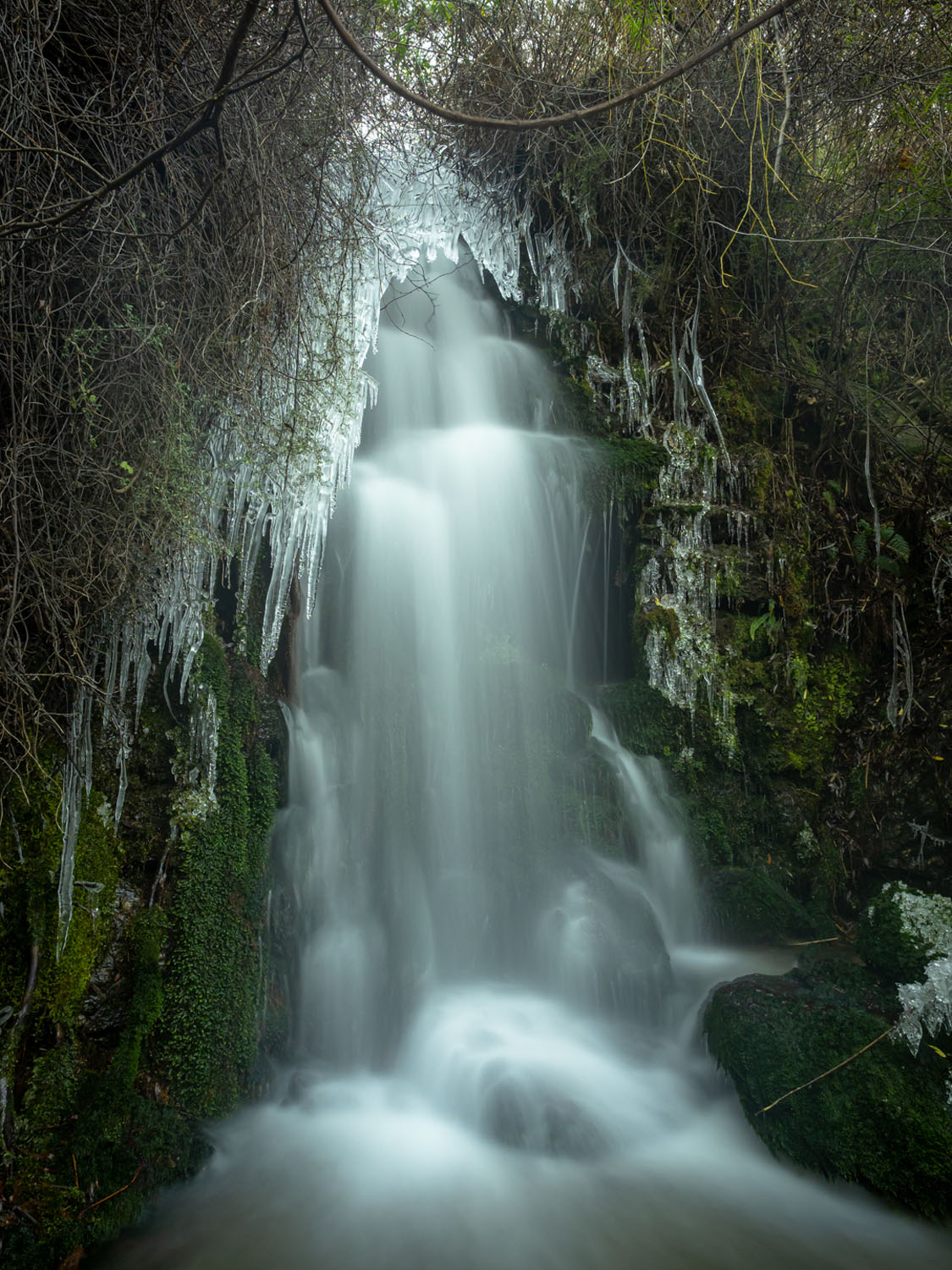
I am a fan of natural light, sunsets, sunrises, the blue hours, crepuscular light, but I love natural occurrences, lenticular clouds, rainbows, rain showers, snowfalls, any weather event, actually.
I love the unexpected, it always brings a smile to my face.
What turns a technically good landscape photograph into one people actually remember?
From my market experience, a good landscape picture is one where people can relate and have some personal connection. I will take photos that I think will sell, as I need to put bread on the table, but I find it totally subjective, some photos I thought that are winners/sellers haven’t been, yet they have a special place in my photographic journey. Those are the ones I print for myself and revisit them when I need inspiration.
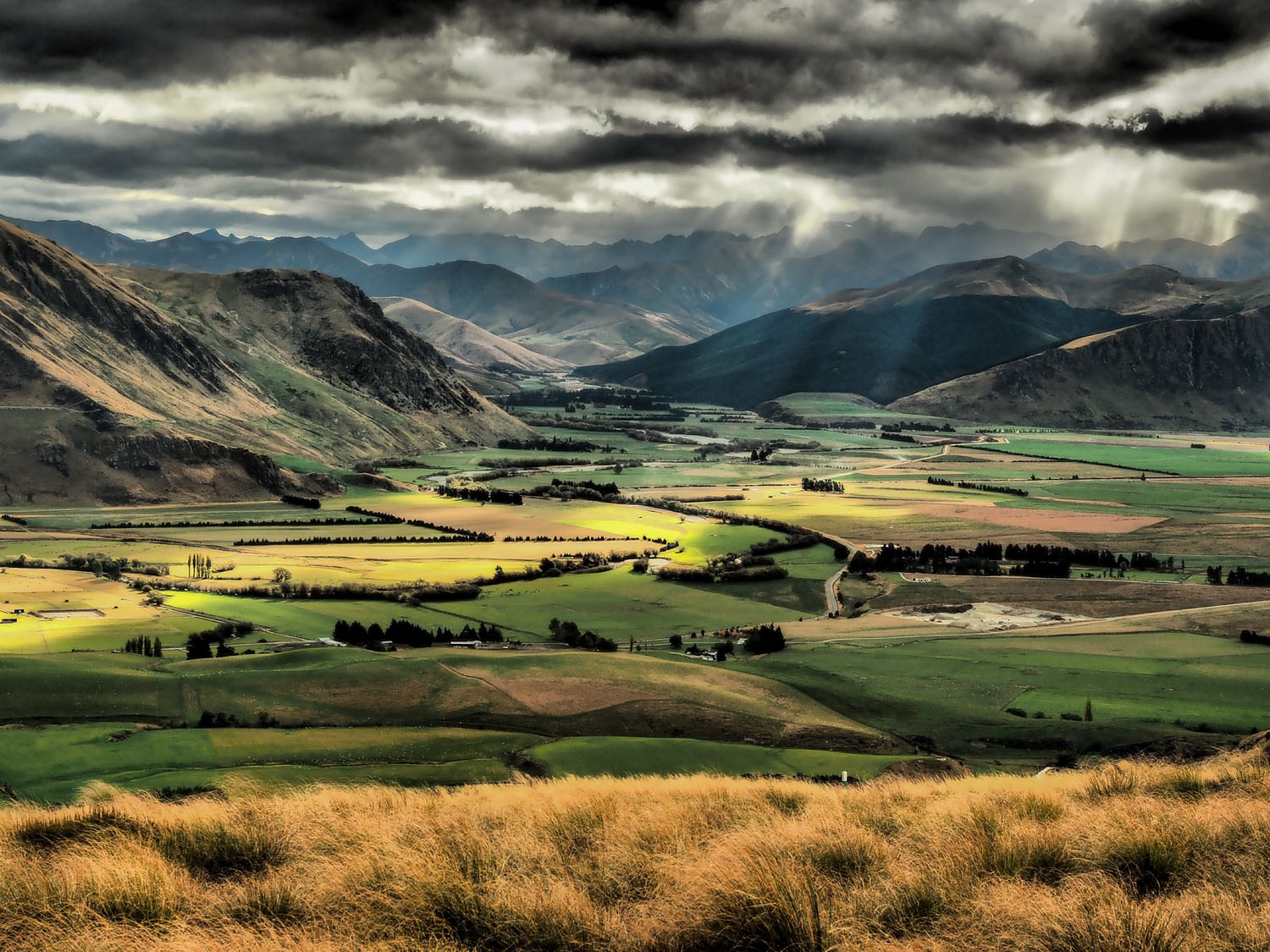
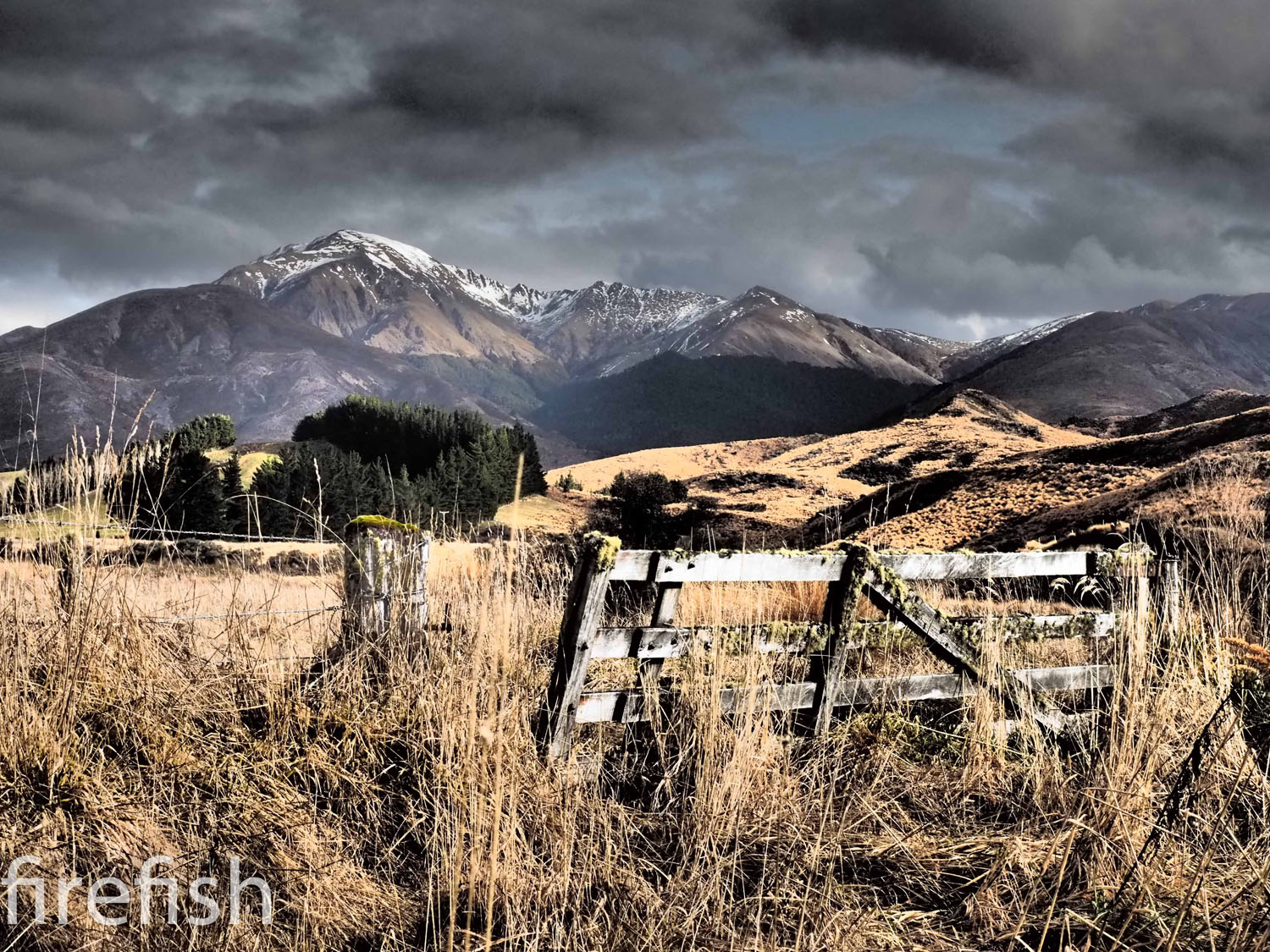
RIGHT: Olympus E-M5 . Olympus M.Zuiko 12-40mmF2.8 @35mm . F/16 . 1/125″ . ISO 400
What camera and lenses are at the heart of your kit right now, and what makes them right for the way you work?
Olympus OM-D E-M1 Mark II, M.Zuiko 12-40mm f2.8 PRO, OM 40-150mm f2.8 PRO, OM 100-400 f6.3, TC 1.4x. A lot of the work I sell was taken on the E-M5 Mk1, two kit zoom lenses and the old 12-50mm f3.5-6.3 EZ. I have invested in a full-frame Panasonic DC S1R Mk1 and a Summilux 50mm f1.4, a Panasonic 18mm f1.8 and 24-105mm f4.
I use the OM gear because of the size and weight, the weatherproofing and the excellent optics. I have hammered this gear, and it always (touch wood) has been reliable. The full-frame gear sits in the car but is pretty heavy to lug around, so it gets used sporadically. I think the combination of the old E-M5 with the PRO lenses has bought me “the most lunches”.
Which Picture Mode, Art Filter, colour profile or custom camera settings do you keep coming back to, and why do they suit the way you see?
I love the Drama filter on the E-M5, I’m not sure the E-M1 has the same algorithm on the Drama filter?? I shoot with Shutter speed priority because I love the fact that with Micro 4/3 you nearly always have perfect depth of field. When I started to shoot full frame again, I felt hindered by the restrictions of 35mm. Micro 4/3 allows you freedom that full frame doesn’t. Sometimes I wish for more dynamic range, but not very often.
What keeps you working with the Olympus / OM System, and what would you miss most if you switched away from it?
I wouldn’t switch away from it. Most of my prints I sell are 12 x 18′ or 16 x 20″, so Micro 4/3 is perfect. I have sold work from a good file up to 1200mm x 900mm. Realistically, 95% of my sales are from the two print sizes. I am sitting at my desk with the E-M1 and 40-150 and TC 1.4 attached, as just outside my window is a native beech tree that attracts local bird life. I can pick up the camera and shoot through my window at any time a bird arrives. Don’t think I could do that with a full-frame 420mm F4 lens equivalent. The 100-400 is amazing also.

Walk us through your editing workflow — which software do you use, and how much of the final image is made after the shutter closes?
So it’s not easy to see and shoot and then translate that to a perfect JPG for printing. From subject to camera to card to computer to file to photo. For this, I use Lightroom Classic and my HP Laptop 17″ with Spider X monitor calibration. Generally, my work is printed on Fuji paper through a dry mini lab, but I also have a Canon Pro 100S printer for my own personal work that I don’t try to sell.
What are you usually trying to achieve in post-processing — and what do you deliberately leave untouched?
Obviously, when using the Drama filter, I am looking for emotion and not exact replication, so there is license to create. When I am trying to replicate a scene as it was seen, that’s when I shoot in RAW and JPG (natural filter) and learn to remember the colours I have seen. Shooting with the pro zooms allows me to crop when shooting, so I quite often use the entire file. I have begun to use the AI de-noise tool as it seems better than the old luminance tool. I try to shoot so I don’t need to remove anything from the photo.


RIGHT: Olympus E-M5 . Olympus M.Zuiko 12-50mmF3.5-6.3 @48mm . F/14 . 1/250″ . ISO 320 – Stewart Town winter scene
If you could leave a single piece of photographic wisdom for someone picking up a camera today, what would it be?
Pick it up, put it on “P”, and enjoy looking through the viewfinder and just shoot. Your own curiosity will lead you to your own style, but mainly Enjoy!! Don’t get bogged down with technical stuff, that will come later.
Looking back, what is the most valuable lesson photography has taught you?
Photography for me was never a decision, I just fell into it. It has taught me that I can be creative and I do have artistic streak. I am a normal working family man, and now I know that I can be creative.
Which single accessory could you not work without — and what would you lose without it?
I have a camera bag from when I was working in the trade from the late 1980s. It holds all my OM gear, and it goes with me everywhere. It’s just an old nylon thing with some velcro separators, but it’s never let me down for nearly 40 years.

How has your relationship with gear changed over the years, and what drove those changes?
I am a bit of a gear nut. I follow Petapixel and DP Review, and I also have a small collection of cameras. A recent highlight for me was to use a friend’s Leica M6 and lenses, just so I could pretend to be Henri Cartier Bresson for a week. It’s more the lenses that has changed for me in that I use only Pro zooms and haven’t used any primes with the micro 4/3 system, I haven’t needed to. However, I would like to try the new focus tracking (for birds) when I upgrade next. Our birds are small and fast. The move to mirrorless from film was photographically life-changing for me, in so many ways, and now it has afforded me a lifestyle I could only have dreamt of when I was still shooting film.
What are you working on right now, and where can readers follow it?
So, I’m not a great social media exponent, I post when I have something new to share. Currently, it’s those damn birds I am enjoying shooting. And there is a book in the wings. You can follow me on FB Firefish. We (my partner helps me) have a website that is a shop for my work: https://www.firefish.co.nz


Since before he left school, Rem has been involved with photography and all things cameras.
Although Rem has a particular passion for landscape photography he is influenced by the classic photographers of all genres such as , Ansel Adams, Edward Weston, Sebastiao Salgado and Henri Cartier Bresson and more.
Rem believes photography can be considered as an art form and that, due to today’s technology, photography should be an “affordable art” for everyone to enjoy.